
Does Drinking Water Help Flush Out Medication Faster?

Medical Providers:
Dr. Michael Vines, MD
Alex Spritzer, FNP, CARN-AP, PMHNP
Clinical Providers:
Natalie Foster, LPC-S, MS
Last Updated: December 30, 2025

People often assume that once a pill is swallowed, drinking more water will help it leave the body faster. That idea comes up whether someone is worried about side effects, adjusting prescription drugs, or starting a detox process as part of addiction treatment. The question sounds simple, but the answer isn’t.

So, does drinking water help flush out medication? Hydration plays a role, but it doesn’t work the way most people expect. Understanding how the body handles medication can help you make detox safer—especially when overall health or recovery is involved.


Our Addiction Treatment Centers

Curious how meds leave your body? Understand what detox really takes.

How the Body Processes Medication?

Before looking at how to flush medication from your system, it helps to understand what actually happens after you take it.

Most prescription drugs are absorbed through the stomach or small intestine. Once absorbed, they enter the bloodstream, where blood flow carries them throughout the body. This stage—often referred to as water and medication absorption—is influenced by food, hydration, and digestive health. At this point, the drug can affect your blood pressure or cause mental health symptoms to arise.

After the medication has taken effect, the body begins breaking it down. The liver changes the drug into smaller compounds, and the kidneys filter those compounds from the blood. These waste products are then removed through urine. Water supports this process, but it doesn’t control it.

Confused about how meds leave your body? Learn how your organs do the work.

Does Drinking Water Help Flush Out Medication?

The short answer to does drinking water help flush out medication is: somewhat—but not dramatically.

Staying hydrated allows the kidneys to work more efficiently. When you’re dehydrated, filtration slows down. Drinking enough water can support kidney function and slightly increase water intake and drug elimination compared to dehydration.

That said, water does not neutralize prescription drugs or erase their effects. Drinking large amounts won’t suddenly speed up the detox process. Medication clearance depends far more on how the drug is metabolized, the dose taken, and how well your organs are functioning. It’s not so much about the amount of water you drink at once, but about staying properly hydrated day to day so your kidneys can do their job.

How Long Do Medications Stay in Your System?

If you’re wondering how long do medications stay in your system, there’s no single answer.

Several factors matter, including:

  • Body weight and metabolism
  • Liver and kidney health
  • Dosage and frequency
  • How long the medication has been used

Some medications leave the body within hours. Others can remain detectable for weeks or longer, especially those stored in fat tissue or taken long-term. Certain health issues can slow elimination and increase the risk of side effects or drug interactions.

Because of this variation, there’s no safe shortcut for clearing drugs faster.

Water and Medication Absorption

Water affects medication at the very beginning of its journey. Taking pills with a glass of water helps them dissolve and reduces irritation in the throat or stomach.

However, excessive water intake—especially around dosing time—can sometimes interfere with water and medication absorption. In some cases, it may reduce how well the drug is absorbed. This is why following medical instructions matters, particularly for people managing multiple prescriptions or complex treatment plans.

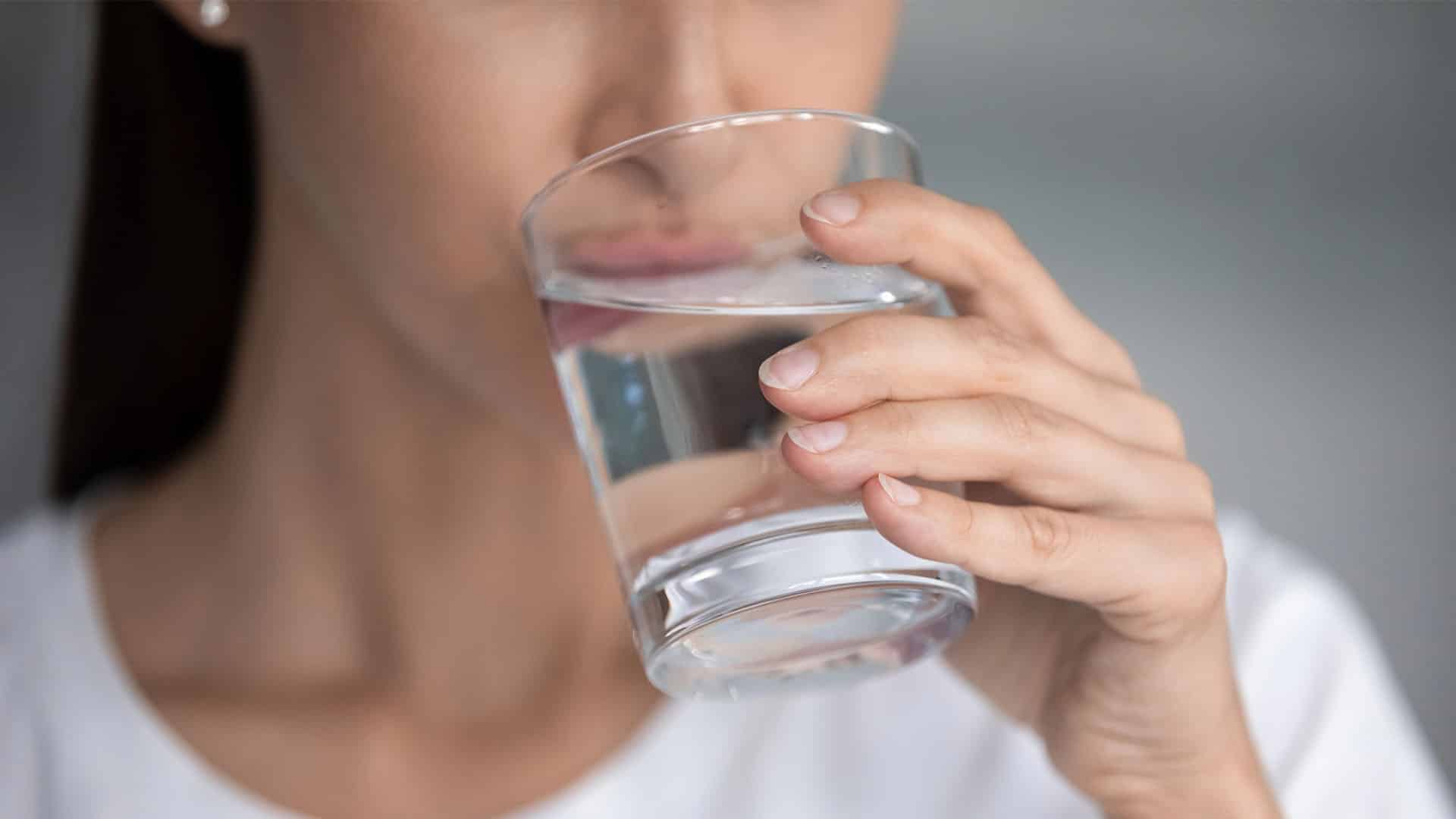
Young lady holding glass sipping fresh pure water

Water helps—but it’s not enough alone. See what really affects detox speed.

Natural Ways to Detox From Medication

For those searching for natural ways to detox from medication, the safest approach is supporting the body rather than forcing elimination.

  1. Stay Hydrated – Drink water during the day. It helps your kidneys clear things out.
  2. Eat Balanced Meals – Actual food helps. Fruits and vegetables, especially.
  3. Physical Activity – Move a little. Walking is enough.
  4. Sleep Well – Your body sorts a lot of things out while you sleep.
  5. Avoid Alcohol and Other Drugs – These slow everything down and make detox harder.

None of this clears medication instantly. But over time, these habits support the body’s natural ability to process and eliminate drugs—especially when done with medical supervision or as part of a treatment program.

The Role of the Kidneys in Clearing Medication

The kidneys are what mainly clear medication from your system. All day long, they filter your blood, keeping what your body needs and sending the rest—extra fluid and leftover medication—out as waste.

If the kidneys aren’t working at their best—whether from dehydration or certain health conditions—medication can hang around longer than it should. That can raise the chance of side effects or other health issues. For people taking long-term prescriptions, staying hydrated and keeping an eye on kidney health really does matter.

The kidney role in clearing medication is central, as these organs are responsible for filtering drugs and their byproducts from the blood.

Trying to detox at home? Support your kidneys the right way.

Can Drinking Water Change a Drug Test Result?

Drinking a lot of water before a drug test can water down your urine, but it doesn’t actually clear drugs from your system. Most labs look for dilution and will usually ask for another sample.

If testing is a concern because of misuse or drug addiction, trying to outsmart the test often backfires. Getting help through a supervised detox or addiction treatment plan is safer and far more dependable than quick fixes.

What About Stopping Medication in "Cold Turkey"?

Stopping medication suddenly can be dangerous. Many prescription drugs affect the brain, heart, or nervous system. Quitting without guidance can lead to withdrawal, rebound symptoms, or serious complications.

If you’re thinking about stopping a medication, don’t go it alone. A doctor can help you taper off slowly so your body isn’t shocked.

Facing a drug test or quitting meds? Know the safe steps before you act.

The Role of Water in Flushing Out Medications Safely

So, does water flush medicine out of your body? It helps—but it’s only one piece of the puzzle.

Water helps your kidneys do their job, but it isn’t a detox solution on its own. What really matters is what you do consistently over time—and whether you’re getting the right kind of care. Guessing or trying shortcuts usually leads to problems, especially when medications are involved.

At The Hope House, we help people detox safely with medical guidance, addiction treatment, and treatment programs built around their real needs. When it comes to medication changes or recovery, having the right support makes all the difference.

Want to learn more about flushing out meds safely? Get expert tips on detox, hydration, and health.