
Celebrity Drug Rehab: Where Celebrities Get Help

Medical Providers:
Dr. Michael Vines, MD
Alex Spritzer, FNP, CARN-AP, PMHNP
Clinical Providers:
Natalie Foster, LPC-S, MS
Last Updated: December 16, 2025

From the outside, celebrity life can look charmed—money, recognition, access to things most people only imagine. But living in the public eye comes with pressure that never really shuts off. Every mistake is recorded, every low point becomes gossip, and over time that kind of scrutiny wears people down in quiet, risky ways.

That’s why stories about celebrities entering rehab get so much attention. It’s not just curiosity; it’s recognition. When someone famous admits they need help, it breaks the idea that success somehow protects you from addiction. Long workdays, constant travel, easy access to substances, and the expectation to always hold it together create the same unhealthy coping patterns seen everywhere else.

Rehab often becomes the point where pretending stops working. For many, it’s the first real pause—time away from noise to rebuild routines and address the mental health issues tied to substance use. Strip away the fame, and the story is familiar: things spiral, denial runs out, and getting help becomes the most practical next step.


Our Addiction Treatment Centers

Your story isn’t over. Recovery from substance abuse is possible.

Why Do Celebrities Need Drug Rehab?

Substance use is common in the entertainment industry, largely because of how the work is structured. Long hours, irregular sleep, constant pressure, and easy access to alcohol or drugs blur healthy limits. What begins as a way to cope or stay functional can gradually turn into dependence, especially when anxiety, depression, or unresolved stress are already present.

Once addiction sets in, it doesn’t stay separate from the rest of life. Work slips. Relationships get tense. Health takes a hit. Substance use and mental health issues often feed into each other, making things harder to manage over time. For celebrities, asking for help is tougher because everything feels public, and that fear alone keeps a lot of people stuck. 

Private rehab centers exist to take that pressure off, giving people space to focus on the recovery process without worrying about who’s watching.

Trends in Substance Abuse in Celebrities

If it feels like more celebrities are struggling with drugs now, that’s because they are. Over the past two decades, drug-related deaths among actors and musicians have become more common. Different substances show up in different cases, but the pattern is familiar—problems build quietly, help comes late, and treatment often starts when things are already serious.

Looking at rehab records and public reporting from the mid-2000s through 2020, many celebrities don’t enter treatment just once. Some cycle in and out, others shift from alcohol to prescription drugs and stronger substances. What looks sudden is usually years in the making.

This is also why short rehab stays often fall apart. A few weeks away doesn’t undo long-term stress, mental health issues, or the same environment waiting outside. Without ongoing support, people slip back into old patterns, and fame doesn’t protect against that—it often makes recovery harder.

man suffering from drug addiction

Feeling trapped by addiction? There is a way out.

Where Do Celebrities Go to Rehab?

When celebrities go to rehab, it’s usually not about finding something flashy. It’s about staying out of sight long enough to get help without everything turning into news. That’s why certain luxury private centers keep coming up. Not because they’re luxury brands, but because they know how to handle privacy and keep things contained.

1. Hazelden Betty Ford Center (Rancho Mirage, CA)

Hazelden Betty Ford Center is one of the older, more established programs. People go there because it’s structured and straightforward. The focus is on evidence-based treatment, not special treatment. A lot of well-known names have passed through without it ever becoming public, which is part of why it’s trusted.

2. Promises Malibu (Malibu, CA)

Back when it was operating, Promises Malibu attracted celebrities who wanted distance from everything. Private rooms, one-on-one therapy, and a controlled environment made it easier to stay focused. The amenities weren’t really the point—they just removed distractions so people didn’t leave early.

3. The Meadows (Wickenburg, AZ)

The Meadows is known more for its approach than its setting. Many people arrive there with trauma, anxiety, or depression layered underneath addiction. Treatment focuses on that overlap, using therapies like CBT alongside trauma work. It’s often chosen by people who’ve already tried rehab once and need something deeper.

What these places have in common is not luxury. It’s control. Fewer eyes, fewer interruptions, and treatment options that adjust to the person instead of forcing everyone into the same mold. For celebrities, that breathing room is often what makes staying in rehab possible at all.

Freedom from addiction is possible. We’re here when you’re ready.

What to Expect in Celebrity Drug Rehab

Private celebrity rehab isn’t a separate kind of recovery—it’s the same work, done under different constraints. The main difference is that public exposure changes how treatment has to be structured. Facilities that work with high-profile individuals adjust for that reality so people can stay long enough to actually benefit from personalized care.

1. Privacy and Confidentiality

For celebrities, privacy isn’t a preference—it’s a requirement. Treatment centers limit outside contact, restrict access to the property, and usually offer private rooms. This reduces distractions and lowers the risk of someone leaving early because they feel watched or exposed. Without that buffer, many wouldn’t enter treatment at all.

2. Personalized Treatment Plans

No two people arrive with the same history. Celebrity programs tend to spend more time upfront assessing substance use, mental health, co-occurring disorders, and past treatment attempts. Plans are adjusted as things unfold, especially when anxiety, depression, trauma, or burnout are part of the picture. Flexibility matters when someone’s life doesn’t fit a standard schedule.

3. Holistic Therapy Options

Many luxury rehab centers include things like yoga, meditation, or creative therapies—not as a cure, but as tools. These options help people regulate stress and stay grounded between therapy sessions. Amenities like pools or quiet outdoor spaces aren’t about indulgence; they help remove friction so patients don’t disengage from treatment.

4. Evidence-based Treatment

Behind the privacy and comfort, the core treatment is still clinical. Cognitive behavioral therapy, group counseling, and medication-assisted treatment are commonly used. These methods are standard in effective rehab programs because they work, regardless of someone’s public profile.

5. Aftercare Programs

Leaving rehab is often where things fall apart. Celebrity-focused programs usually put more emphasis on aftercare—ongoing therapy, remote sessions while traveling, sober companions, or structured living arrangements. The goal is to build support that holds up once normal life resumes.

At the end of the day, celebrity rehab centers aren’t about special treatment. It’s about removing barriers that would otherwise keep someone from staying, participating, and finishing the work recovery actually requires.

Every day is a new chance to choose recovery. Take the first step today.

Celebrity Success Stories

When celebrities talk about addiction publicly, it tends to hit people differently. Not because they’re role models, but because their struggles were visible. Arrests, canceled tours, hospitalizations, public breakdowns—there’s no pretending it didn’t happen. When someone in that position admits they needed treatment, it chips away at the idea that addiction is just a lack of control or discipline.

A few examples get mentioned often, mostly because the damage gave everyone a front-row seat:

  • Robert Downey Jr. spent years cycling through drugs, arrests, jail time, and rehab in the late 1990s. His career nearly disappeared before long-term treatment and strict structure helped him stay sober.
  • Elton John has been open about how cocaine and alcohol ran his life through the 1980s. He entered rehab in 1990 and has stayed sober since, often saying he wouldn’t be alive without it.
  • Demi Lovato has talked openly about addiction struggles, mental health disorders, and eating disorders. A near-fatal overdose in 2018 forced a reset, and recovery since then has been ongoing, not perfect.
  • Eminem nearly died from prescription pill use in the mid-2000s. He later entered treatment and rebuilt his life quietly, away from the spotlight for years.
  • Bradley Cooper stopped drinking and using drugs in his late 20s. Sobriety came long before his biggest roles, and he’s credited it with giving him stability rather than instant success.

Not every story ends cleanly. Some people relapse. Some disappear from public view. The pressure doesn’t stop just because rehab does, and fame doesn’t come with built-in support once treatment ends. When schedules get chaotic again and accountability fades, staying sober gets harder.

That’s why most serious rehab programs put more weight on aftercare than people expect. Therapy, support groups, sober housing, regular check-ins—those are what keep recovery from slipping once real life resumes. Relapse isn’t rare, and it isn’t a failure. More often, it’s a sign that someone tried to carry recovery alone for too long.

Recovery isn’t a solo journey. Together, we can help you build a life free from addiction.

Drug Rehab Near Me

Celebrity rehab gets talked about like it’s a luxury experience, but that misses the point. At its core, it’s a treatment for serious substance use disorders and mental health problems. The goal isn’t comfort or image control. It’s stopping addiction from getting worse and giving someone enough support to function again.

That applies to everyone. Addiction doesn’t care about status, and it rarely fixes itself. Most people need professional help because addiction usually comes with other issues—anxiety, depression, trauma, burnout—that don’t go away on their own. Getting help early makes a real difference, even if it feels uncomfortable or intimidating at first.

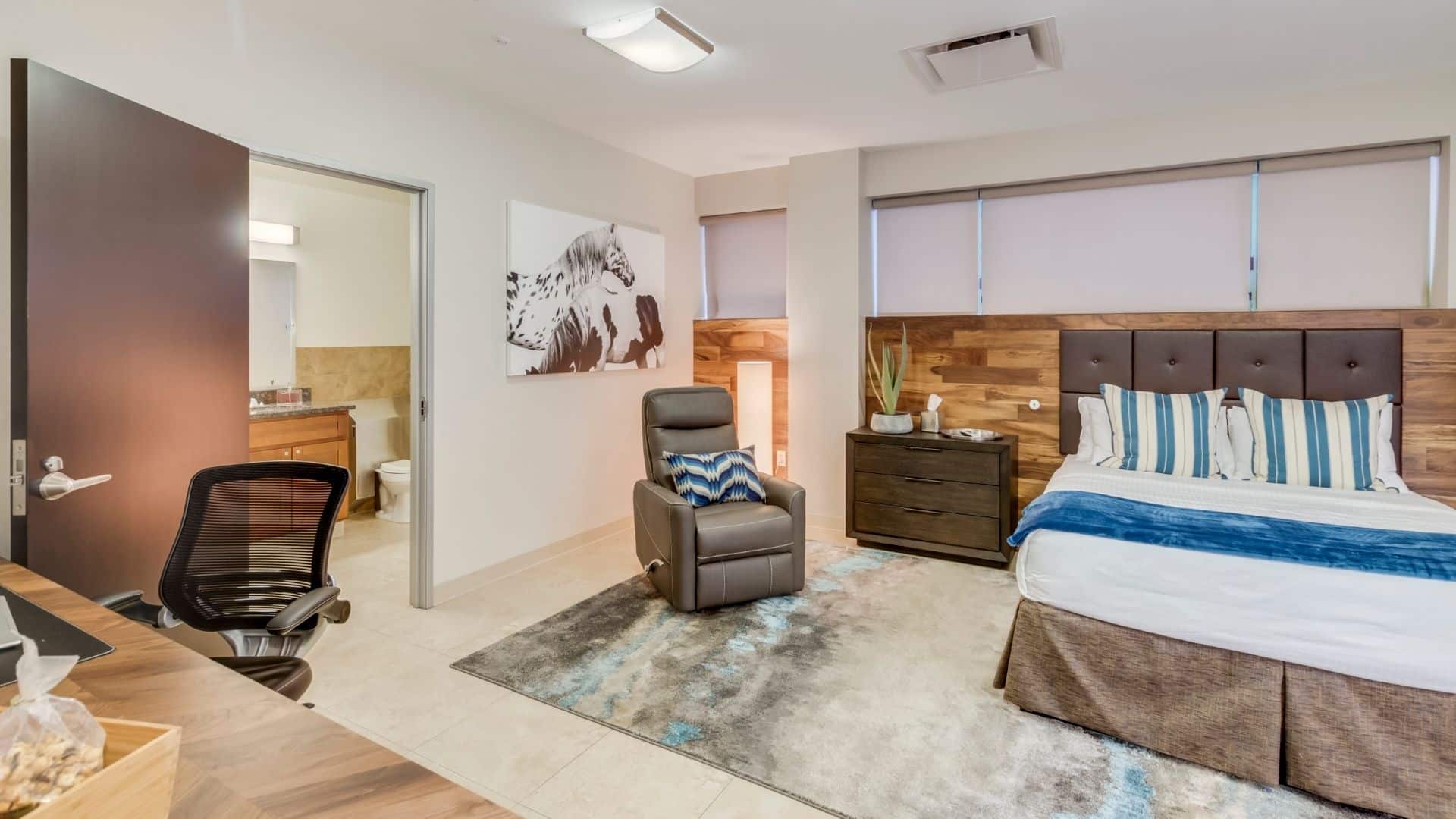
The Hope House in Arizona works from that same reality. Located near Scottsdale, it’s a quiet place where people can step away from daily pressure and focus on treatment. Programs are evidence-based and built to address both substance use and mental health, without hype. If you or someone close to you is struggling, reaching out to a treatment facility can be a practical first step, not a dramatic one.

Collaboration is the backbone of effective patient care. Stream the episode and find out how.