
Are Muscle Relaxers Addictive? Muscle Relaxers Abuse

Medical Providers:
Dr. Michael Vines, MD
Alex Spritzer, FNP, CARN-AP, PMHNP
Clinical Providers:
Natalie Foster, LPC-S, MS
Last Updated: March 2, 2026

Muscle relaxers are often prescribed for back injuries, neck strain, or muscle spasms after surgery. When used short term and exactly as directed, they can be helpful. Still, many families call us asking: are muscle relaxers addictive?

Some can be. NIH research shows long-term use leads to tolerance, dependence, and CNS depression risks like respiratory failure. Misuse often starts gradually—an extra dose for pain or sleep, then withdrawal difficulty. If you are using muscle relaxers or concerned about someone who is, understanding these risks can help you take action early.


Our Treatment Centers

Break the cycle of addiction. Explore rehab facility services today!

What Are Muscle Relaxers?

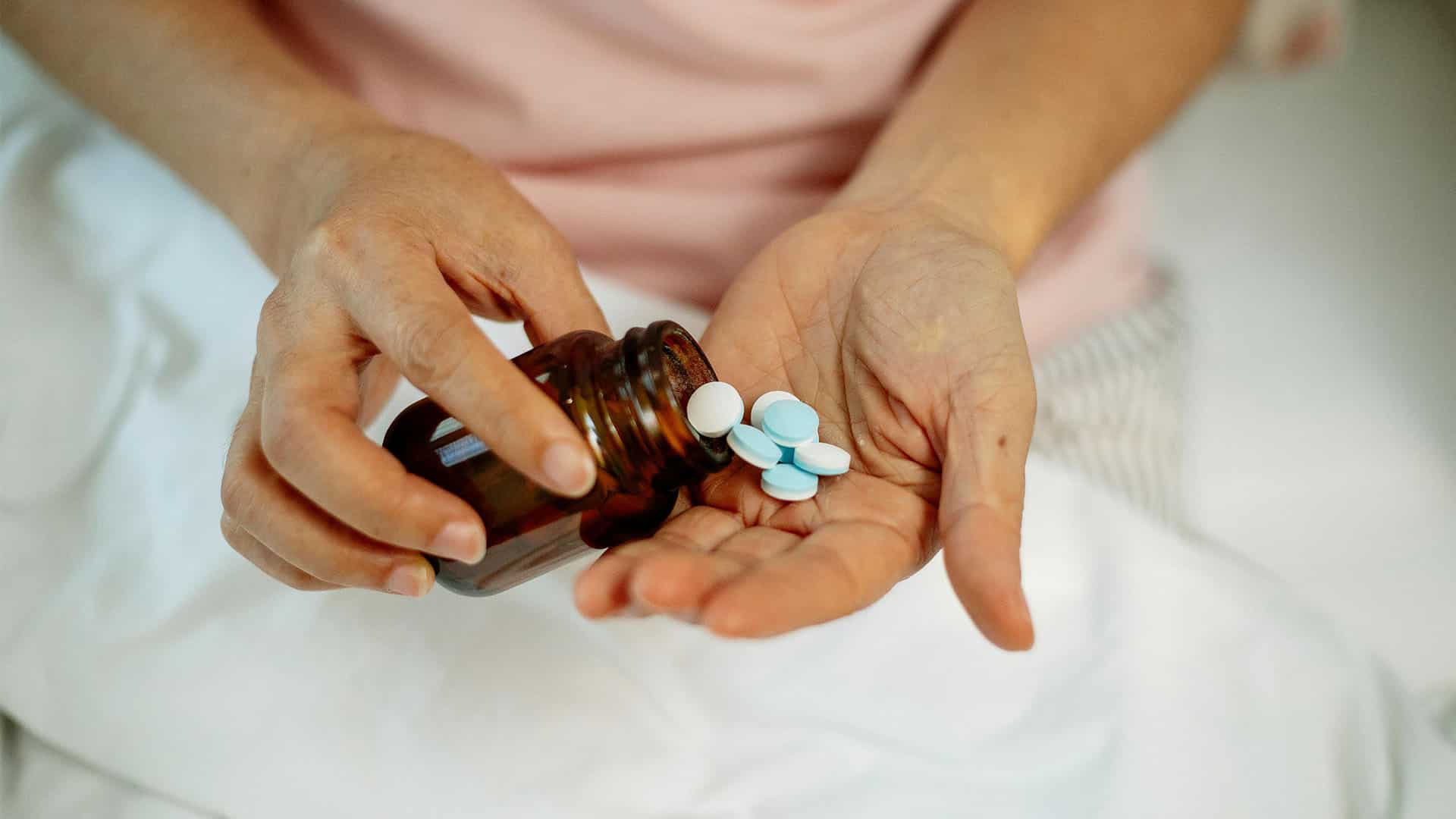
Many people ask, what are muscle relaxers? Muscle relaxers are prescription medications used to reduce muscle spasms, tightness, and pain. Doctors often prescribe them after acute injuries, for lower back pain, or for neurological conditions that cause muscle stiffness.

Common examples include cyclobenzaprine, carisoprodol, methocarbamol, and baclofen. Most do not work directly on muscle tissue. Instead, they slow activity in the brain and spinal cord. That is why drowsiness is a common side effect. Because they can create a sense of calm or sedation, some individuals begin using them for reasons beyond pain relief. This shift increases the risk of misuse.

Across the United States, muscle relaxers are prescribed millions of times each year. Most people take them responsibly for short periods. Problems are more likely when they are used long term or combined with alcohol or opioids.

Are Muscle Relaxers Addictive?

So, are muscle relaxers addictive? The honest answer is that some carry a higher risk than others. Carisoprodol, for example, has known abuse potential because it can produce sedative effects that some people find reinforcing. Over time, the body can build tolerance. This means the same dose no longer produces the same level of relief or relaxation.

When tolerance builds, a person may increase the dose without medical approval. If the medication is stopped suddenly, withdrawal symptoms can appear. These may include anxiety, insomnia, nausea, sweating, and tremors.

This cycle can lead to muscle relaxers addiction. It often develops quietly. Someone may start by using the medication for pain, then rely on it to relax, sleep, or cope with stress. We have also seen increased risk when muscle relaxers are mixed with other depressants. Combining them with alcohol or opioids can slow breathing and increase the risk of overdose. If you notice a pattern of increasing use or difficulty stopping, professional support can make a significant difference.

Are Muscle Relaxers Addictive

Discover hope and recovery. Contact us to begin your treatment journey.

Signs Of Muscle Relaxers Addiction

Early recognition matters.

The following signs may indicate a developing problem:

  • Physical Dependence: Experiencing withdrawal symptoms such as shaking, sweating, restlessness, or nausea when the medication wears off or is stopped.
  • Psychological Cravings: Feeling a strong urge to take the medication even when physical pain is minimal.
  • Increased Tolerance: Needing higher doses to feel the same calming or pain-relieving effects.
  • Social and Occupational Impairment: Missing work, neglecting responsibilities, or withdrawing from family because of medication use.
  • Doctor Shopping or Prescription Forgery: Visiting multiple providers or manipulating prescriptions to maintain supply.
  • Continued Use Despite Harm: Persisting in use despite memory problems, mood changes, coordination issues, or relationship conflict.

According to recent national survey data, millions of Americans report misusing prescription medications each year. Prescription drug misuse remains a serious public health concern, especially when medications are taken outside medical guidance.

Reclaim your life from addiction. Reach out to us for confidential and supportive care.

Benefits Of Drug Addiction Treatment Program

A drug addiction treatment program helps people overcome substance use disorders with medical care and therapeutic support. These recovery programs address the physical, emotional, and psychological aspects of addiction, providing tools for lasting sobriety. Here are the benefits:

  • Comprehensive Assessment: Programs start with a thorough evaluation. This helps create a personalized care plan that meets each individual’s specific needs.
  • Medical Supervision: Medical professionals oversee detox and withdrawal. This ensures safety and minimizes discomfort, which is crucial for starting recovery.
  • Behavioral Therapies: Programs offer therapies like cognitive-behavioral therapy (CBT) and motivational interviewing. These therapies help change addictive behaviors and support long-term recovery.
  • Supportive Environment: A community of peers and professionals provides a supportive environment. This environment is essential for healing and growth.
  • Education and Skills Development: Educational sessions and workshops teach coping strategies and life skills. These skills help manage triggers and prevent relapse.
  • Dual Diagnosis Treatment: Programs treat co-occurring mental health disorders along with addiction. This holistic approach reduces the risk of relapse.
  • Continued Care and Aftercare Planning: Ongoing support and aftercare planning provide resources and strategies. These help maintain sobriety in everyday life.
  • Family Involvement: Including families in therapy and education helps rebuild relationships. This creates a supportive network for long-term recovery.
  • Peer Support: Group therapy and peer support networks offer validation, encouragement, and shared experiences. This boosts motivation and accountability.
  • Healthy Lifestyle Promotion: Emphasis on physical wellness through exercise, nutrition counseling, and stress management techniques. This promotes overall well-being and reduces the risk of relapse.

Drug Addiction Treatment Near Me

Searching for substance abuse treatment near me can feel overwhelming. The right level of care depends on medical history, substance use patterns, and personal goals.

At The Hope House in Arizona, we provide individualized addiction rehabilitation grounded in evidence-based care. Our clinical team evaluates each person carefully and builds a plan that addresses both substance use and underlying mental health concerns.

If you are questioning your relationship with muscle relaxers, reaching out is a proactive step. Early intervention improves outcomes. With the right structure and support, recovery is achievable.

Are Muscle Relaxers Addictive

Collaborate with us to pioneer the next era of healthcare. Check out our podcast episode!